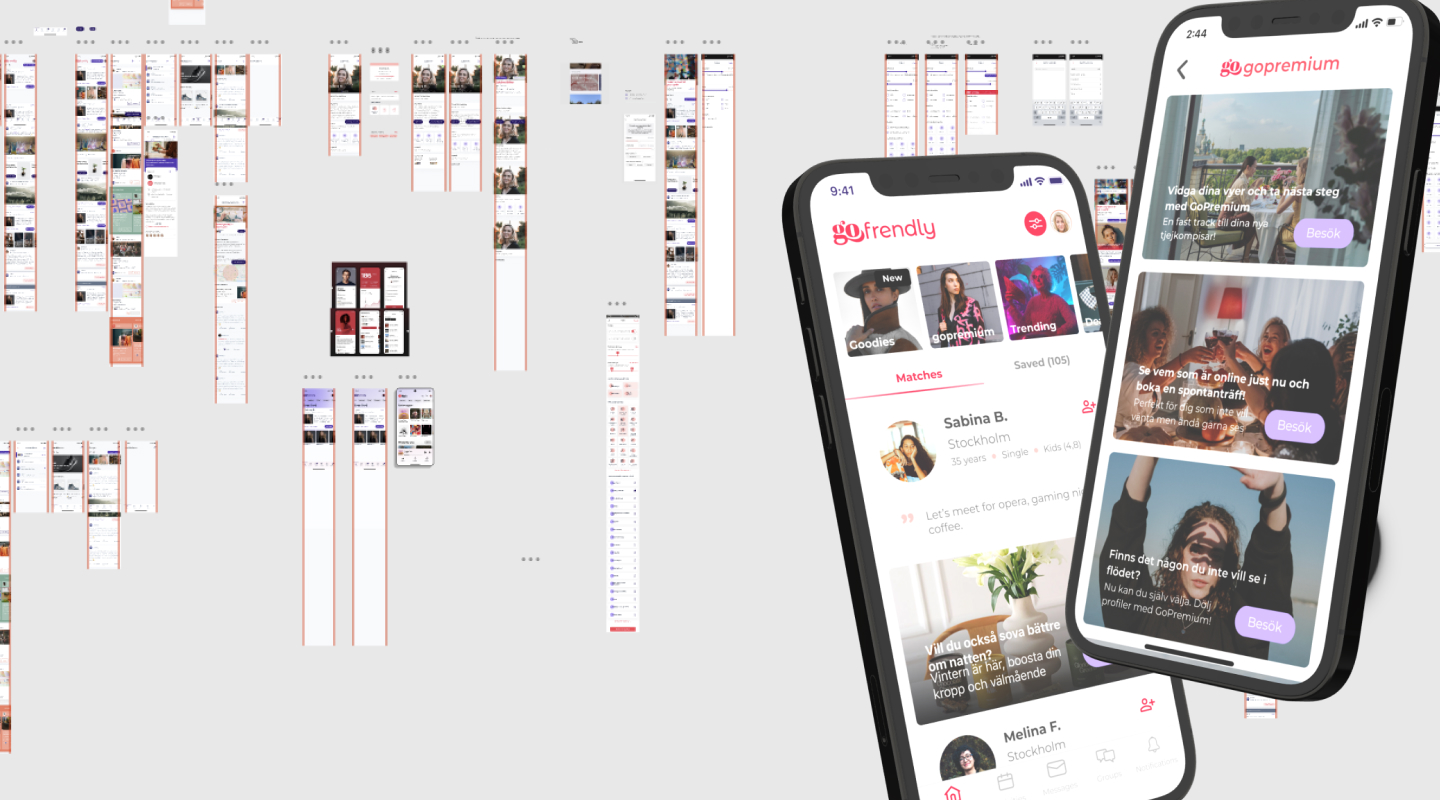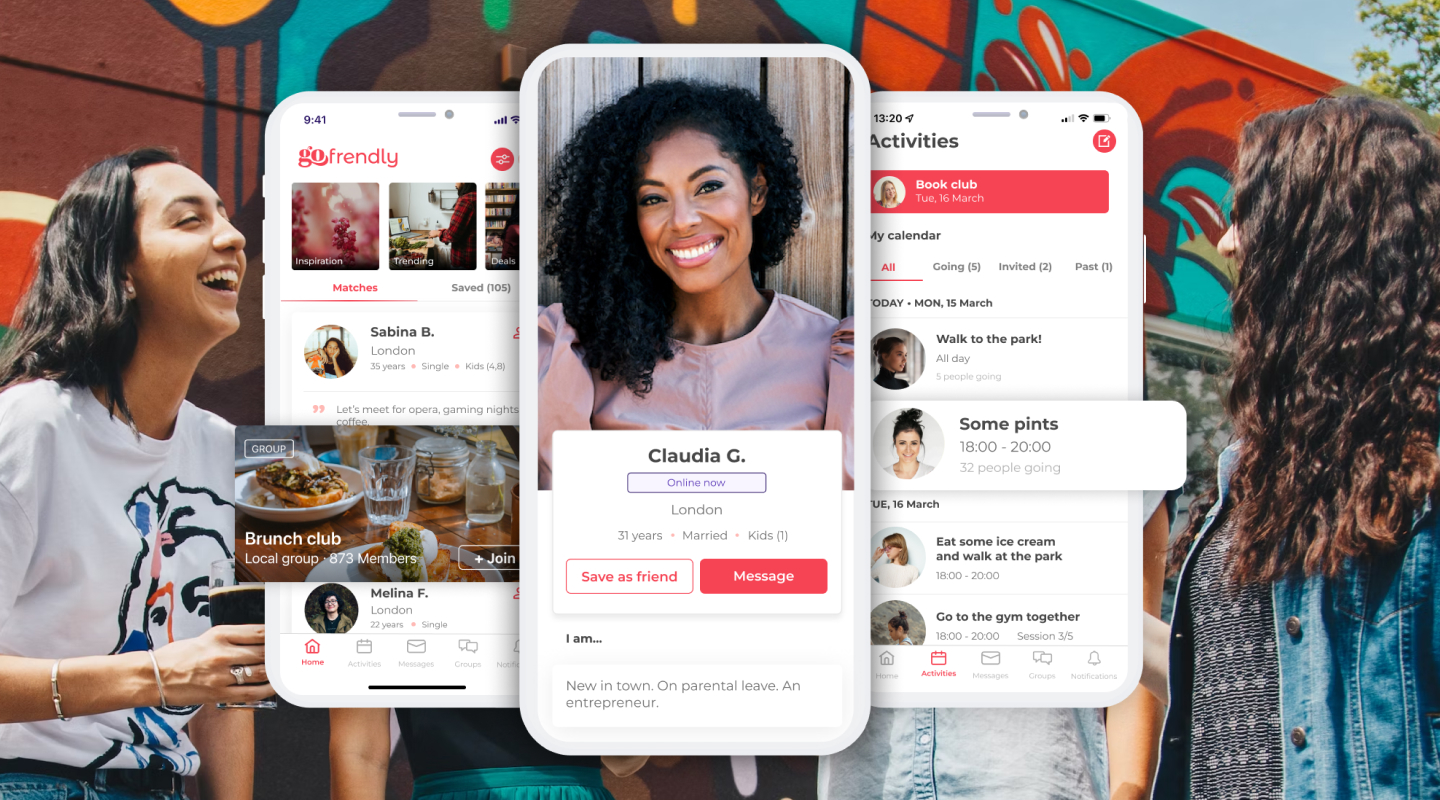
I joined GoFrendly as the sole designer at an early stage startup and quickly moved beyond execution, working directly with the founders to rethink who the product was for and what it should become. For three years the design function was just me, which meant I was responsible for the product direction, the brand, and the process. That eventually led to three months as interim CPO, stepping in to hold overall product direction during a leadership transition.
Early on it became clear that the product needed more than better design. The question of who GoFrendly was actually for had not been fully answered, and that was shaping every product decision downstream. Working with the founders, we started to pull that apart: who was using it, why they were using it, and where the product had the most potential to grow.
That conversation led to a set of choices about where to focus, what to stop trying to be, and how to talk about the product differently. The company's first Design Roadmap came out of that process, giving the team a shared, prioritised view of what to build and why. Before that, we were picking what to work on based on instinct and pressure. After, we had a shared reason.
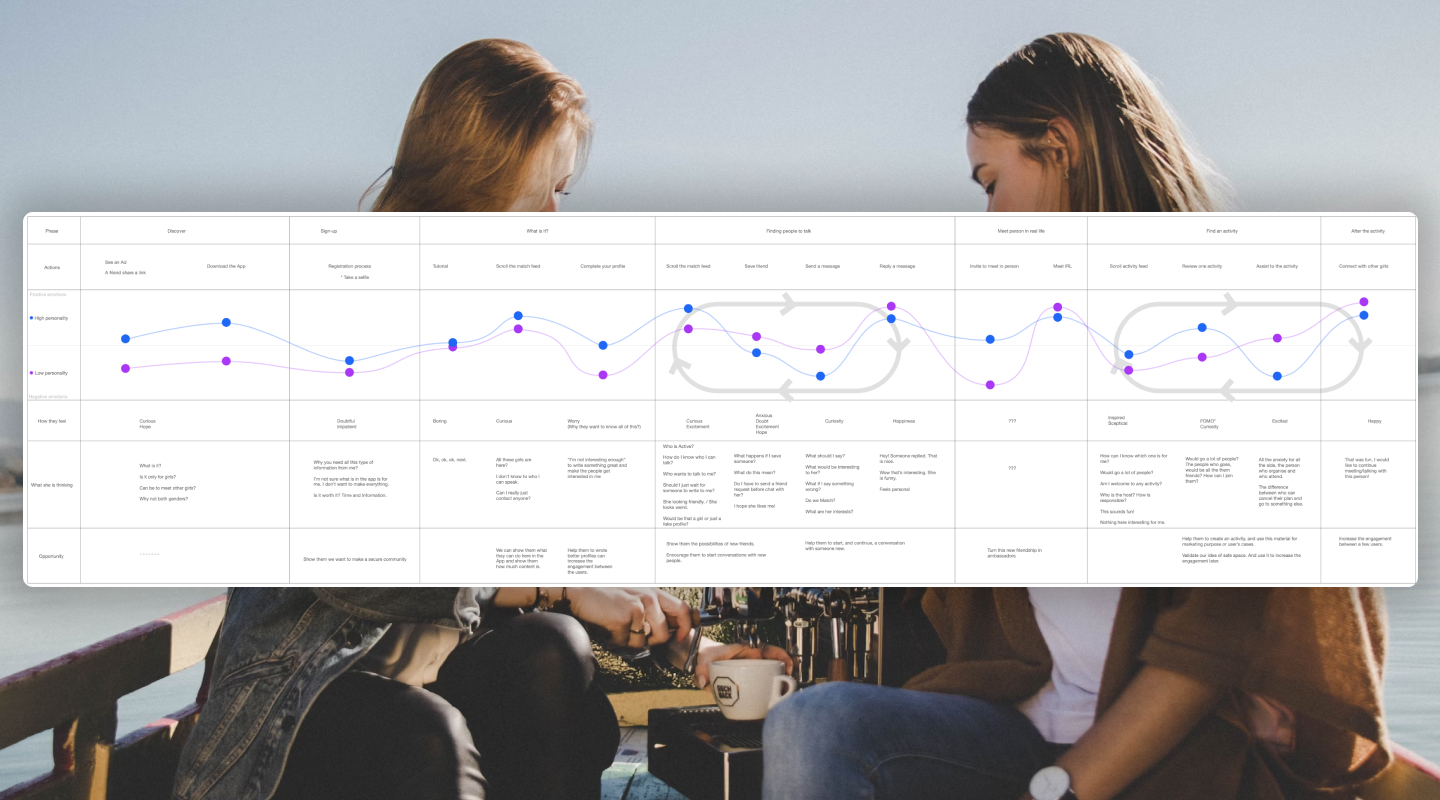
When the decision came to expand into the UK, the instinct was to ship what we had and adapt later. Instead, we ran user interviews and usability tests with people in the UK market before making assumptions about what would and would not transfer.
What we found challenged some of what we thought we knew. There were friction points that mattered in the UK context but were invisible to our Swedish users, and solving them meant making changes specific to that market. The UK launch shipped with those changes built in, not added as an afterthought. Testing in a new market before launching into it sounds obvious. In a small startup moving fast, it is usually skipped.
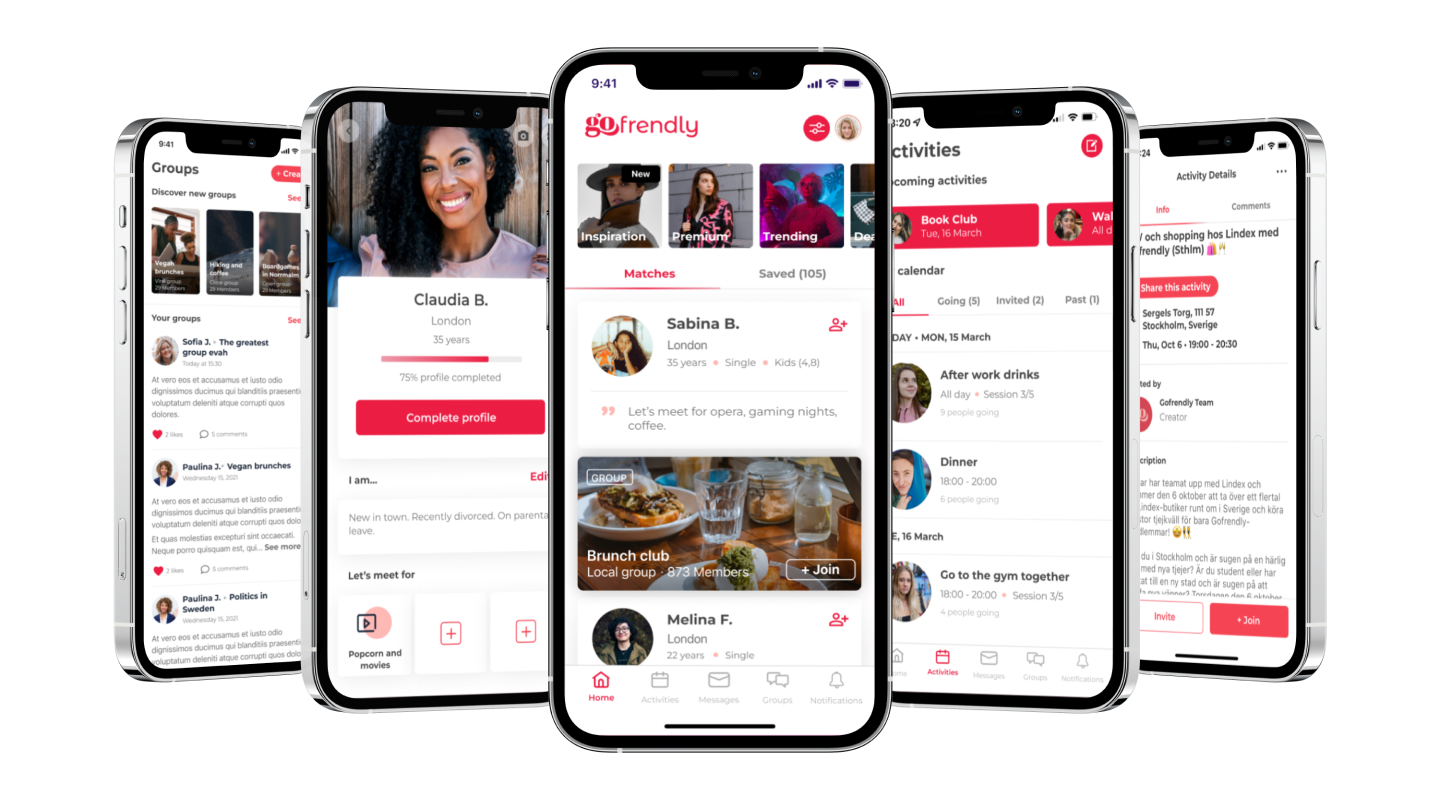
Beyond the core product, we designed and launched three new business streams: a premium version of the app and a more targeted advertising format aimed at specific user segments. Each required building the experience from scratch and thinking through how it sat within the broader product without disrupting what existing users already knew.
This was some of the most interesting work at GoFrendly. Designing a business model feature is a different problem from designing a screen. You are making decisions about value, pricing perception, and user trust at the same time as you are making decisions about interaction.